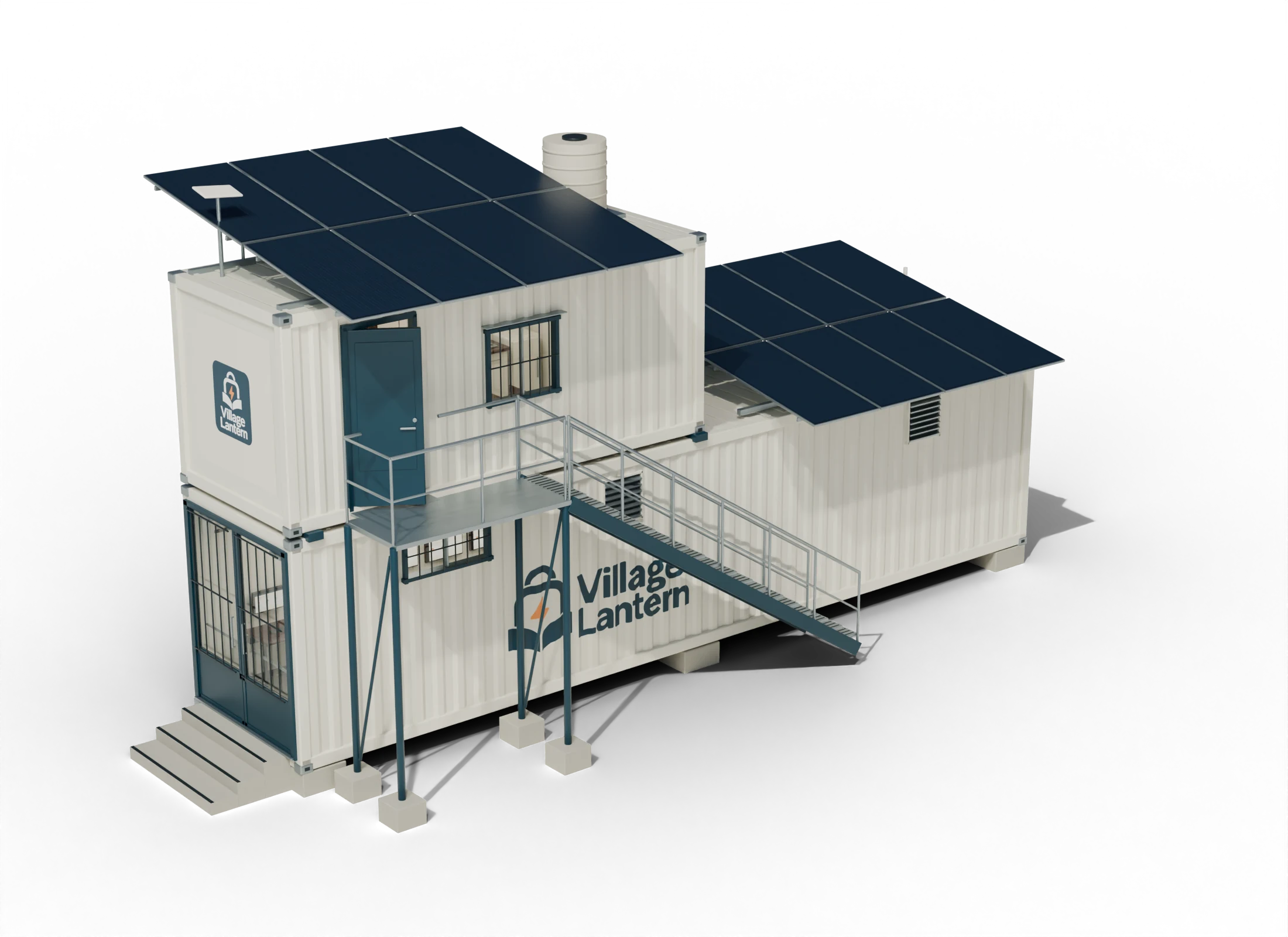
A Lantern is two shipping containers: a classroom with 24 learning stations and a home for the person who runs it. It makes its own power, brings its own connection and teaches with no internet at all.
Lantern 1, in Ewossa, Edo State, is the first. Under construction.
The LanternVL-A40 ft + 20 ftstations24Design visualization of the Lantern, not a photograph
Four stilts, one drop, and it’s live.
Nothing is built on site. The Lantern is fitted out in a workshop and finished before it travels, so the village gets a working school, not a construction project.
Plate VL-B · Truck to liveMove 4 of 4
Illustration of the four moves, not to scale
1/4Move 1: Four stilts in the ground.Four stilts are set in the ground and levelled. That is all the groundwork there is.
2/4Move 2: Drop it on.The classroom arrives fitted out on one standard container truck and is lowered onto the stilts. The 20-foot home goes on top, over the entrance.
3/4Move 3: Open the doors.Sealed double doors open onto 24 learning stations. An external stair climbs to the facilitator’s own front door.
4/4Move 4: Connect it. It’s live.Panels on both roofs, the satellite dish up, one metered cable out to a public building. The windows light up and lessons begin.
Connect it. It’s live.
Panels on both roofs, the satellite dish up, one metered cable out to a public building. The windows light up and lessons begin.
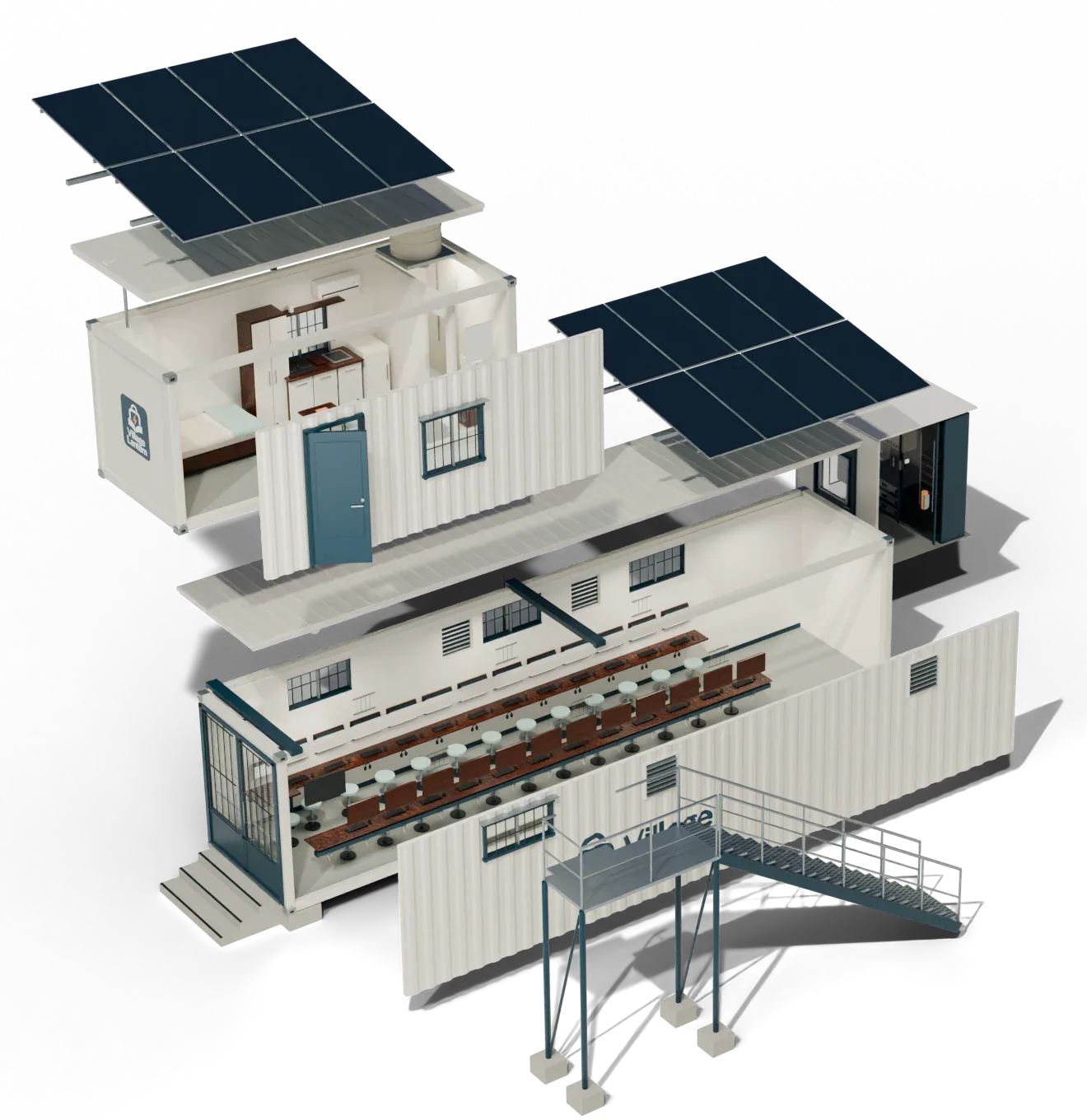
Pulled apart, it is three rooms and a roof.
A classroom, a home and a locked power room, under two roofs of solar panels. Each part is simple. Together they are a school that looks after itself.
Illustration of the two containers, inside dimensions
Twenty-four seats. Two computers.
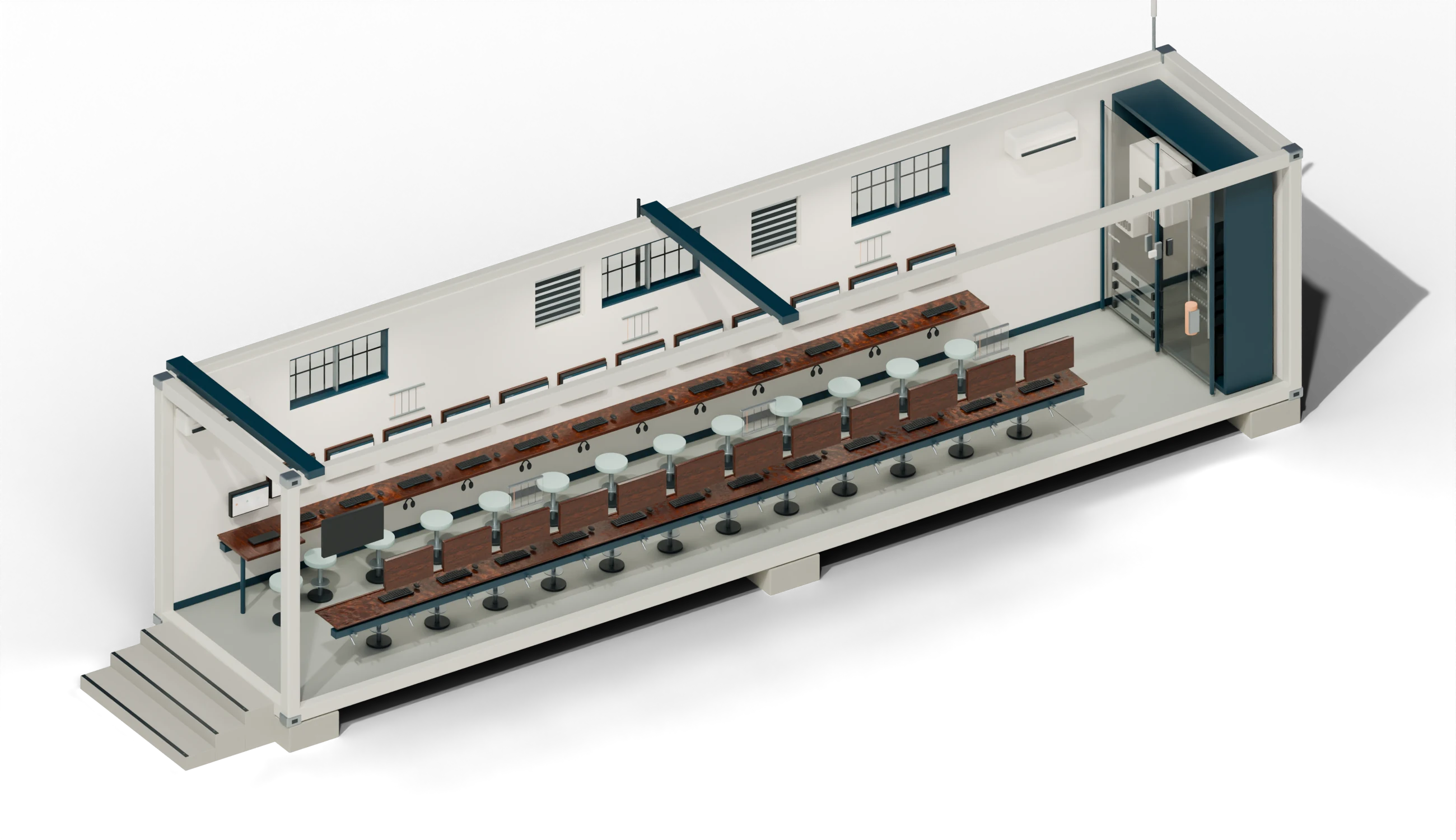
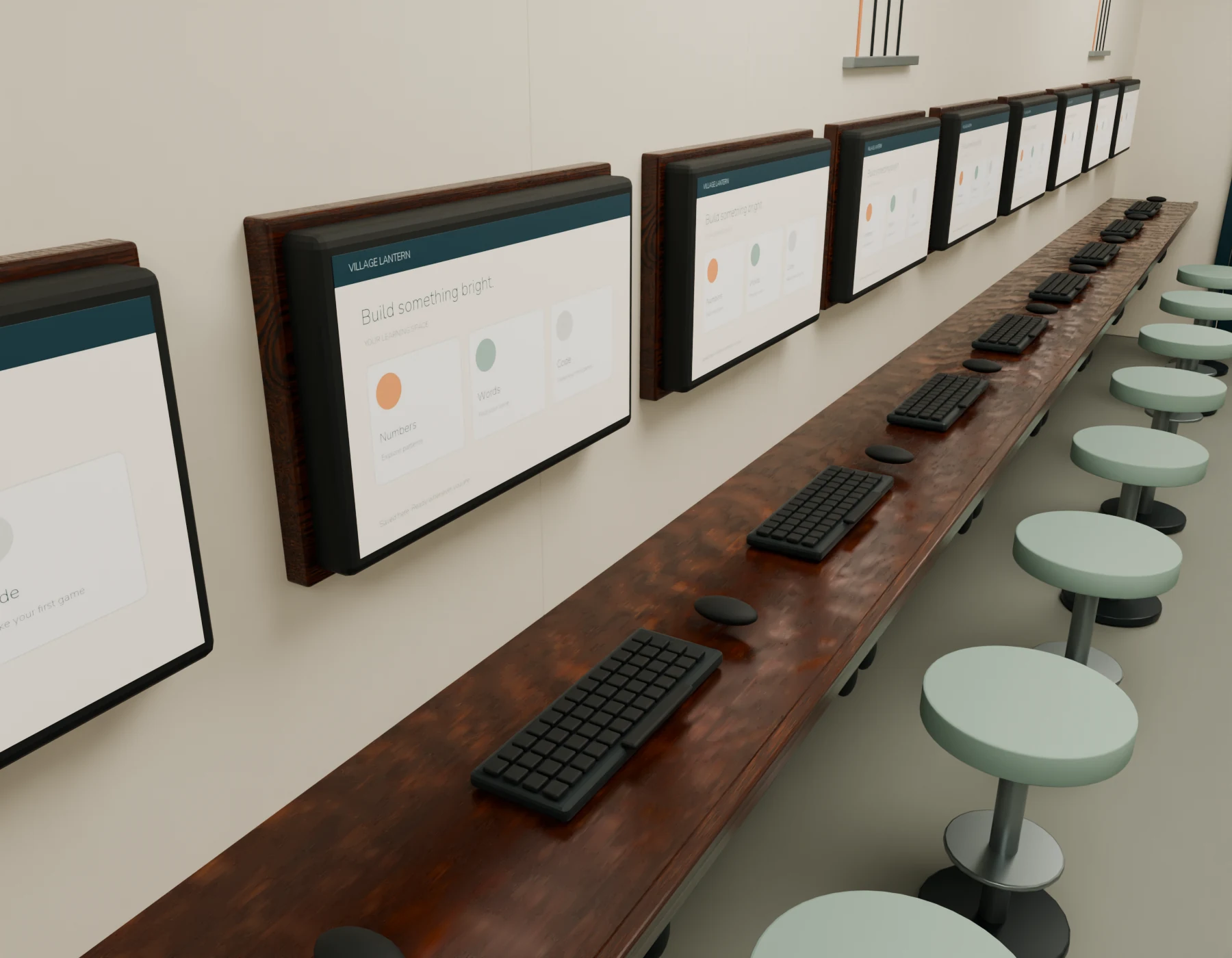
The classroom is a used 40-foot high-cube container, 12 metres long inside, with 12 learning stations down each wall, a station for the facilitator, and a projector with a pull-down screen at the far end for the whole room.
Two small computers in hot standby hold one copy of everything. Each station is a small thin client that starts from that copy, with its own graphics for games. Nothing is stored at a station, so a broken one is swapped in minutes. If one computer stops, the other carries on.
Two air-conditioners are designed to hold the room at 27 °C or below on a 35 °C day.
Four high barred windows and sealed double doors keep the room secure when it is closed.
Plate VL-A · 1Stations
StationsVL-A · 112 per sideseats24
Design visualization of the classroom, roof removedDesign visualization of the stations, on the stamp
Someone trusted lives upstairs.
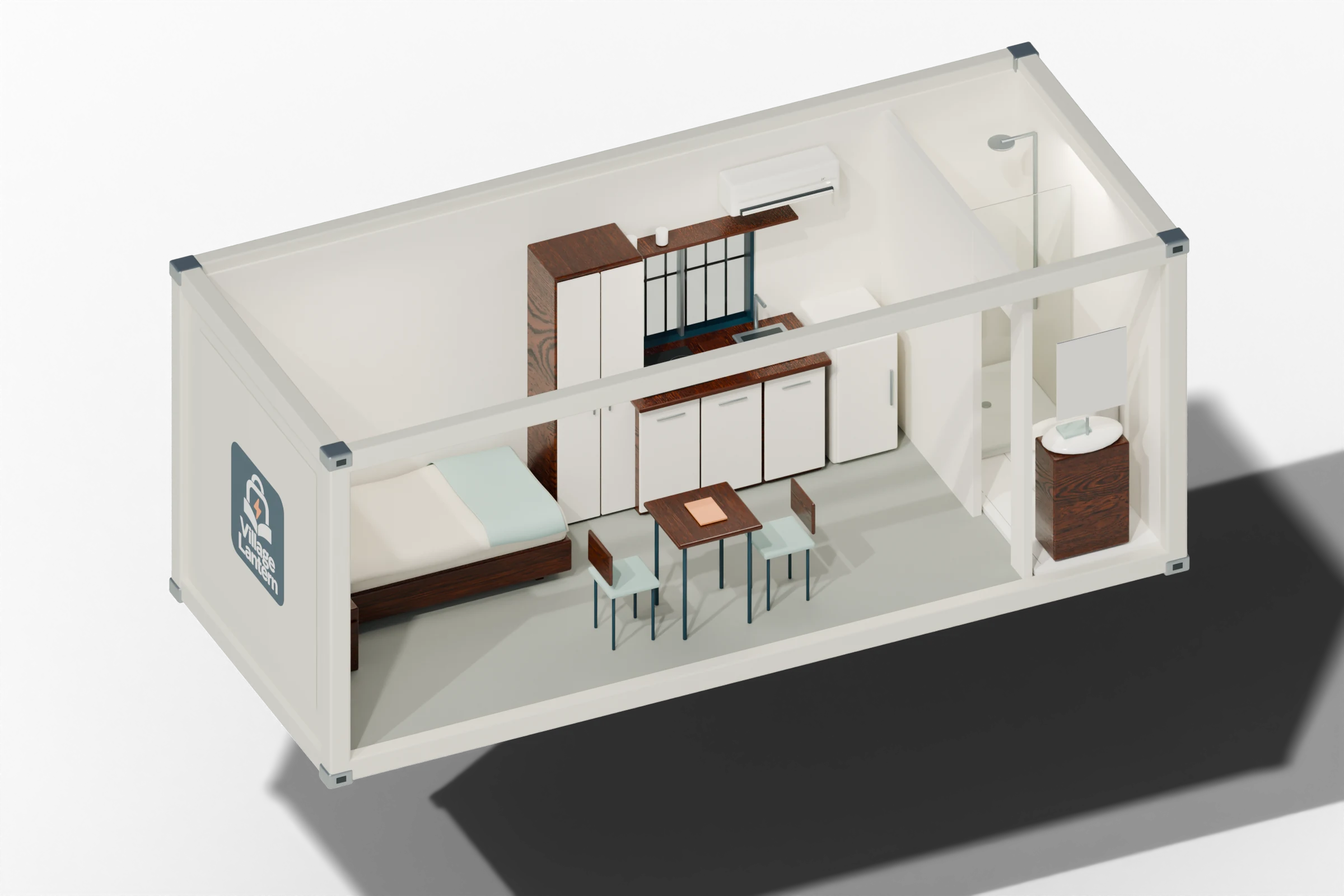
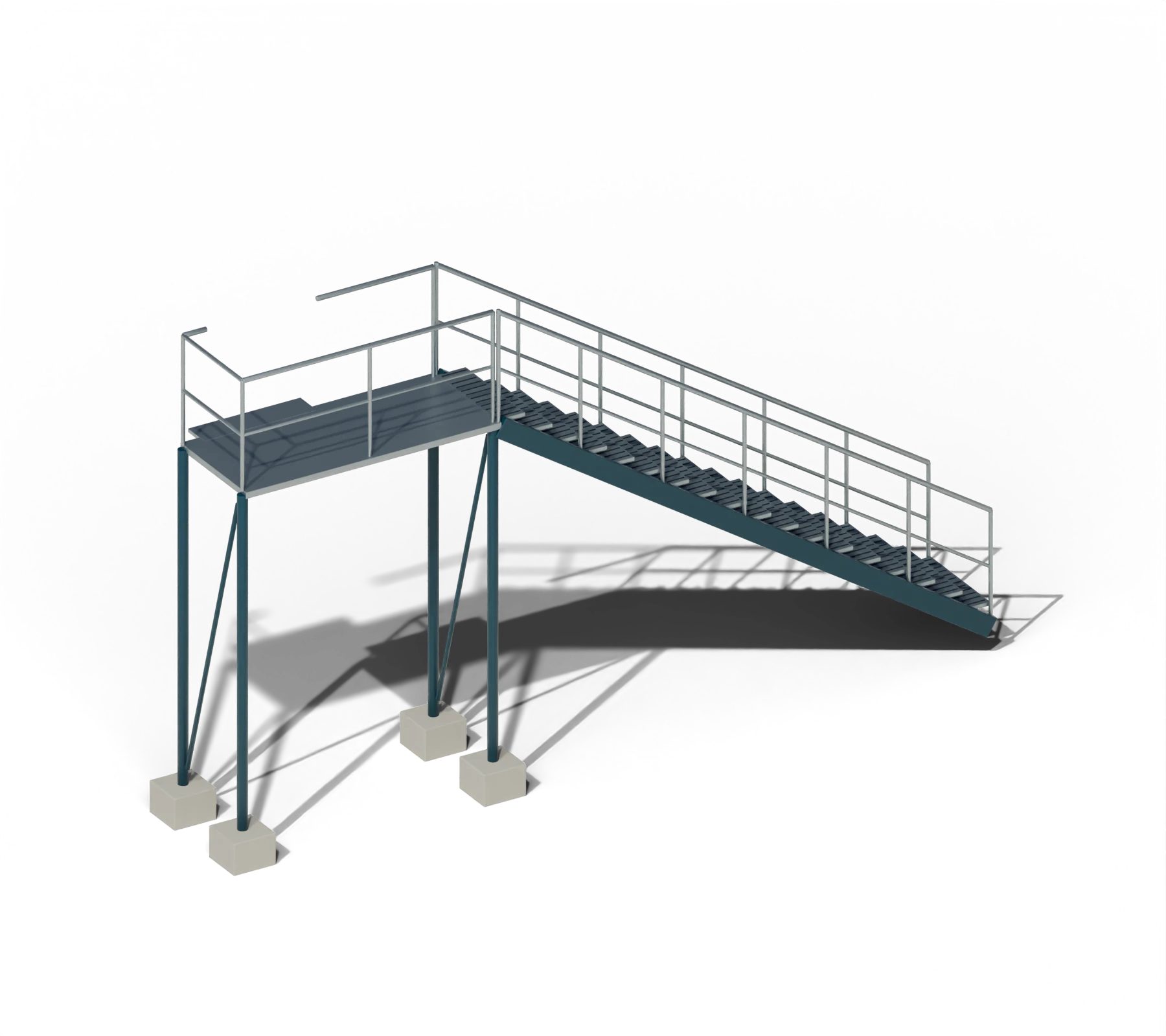
A 20-foot container stacked over the entrance is the facilitator’s home: a bed, a kitchenette, a wet room and a 500-litre water tank, reached by its own external stair.
The facilitator is a local employee, not a classroom teacher. The platform teaches. The facilitator opens up six days a week and keeps the Lantern running.
Housing, power and Wi-Fi come with the job, so the person who runs the Lantern lives beside it.
Every facilitator is police-checked, and a trained person from the community covers when they are away.
Plate VL-A · 2Home
HomeVL-A · 2Own stairft20
Design visualization of the facilitator’s home, roof removedDesign visualization of the external stair, on the stamp
A locked, cool room keeps the core safe.
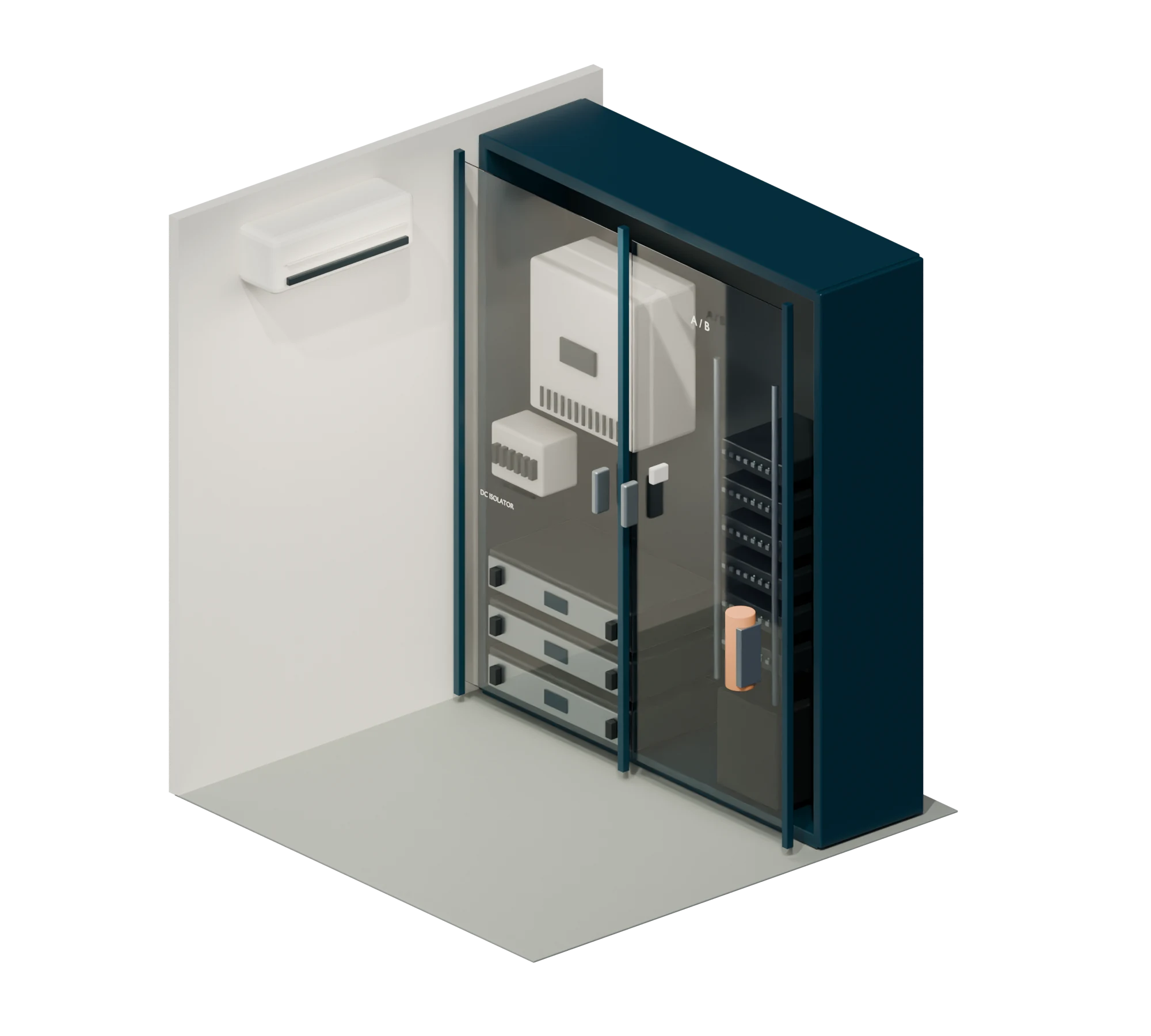
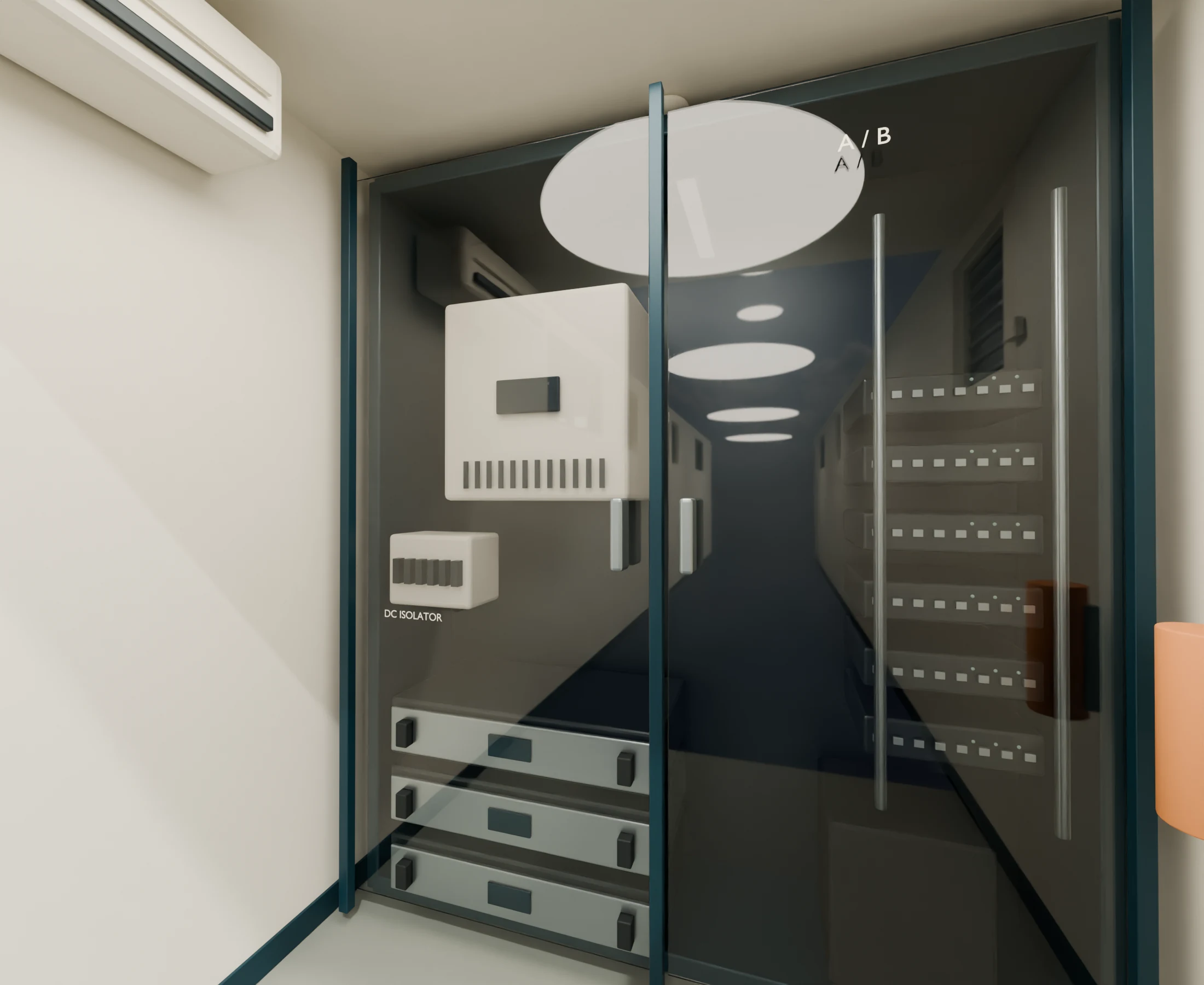
The battery, the inverter and the two computers live in their own room behind glass, at the far end of the classroom.
Across both roofs, 14 to 16 solar panels of 550 watts feed an 8 to 10 kVA inverter. It is a closed system. No grid needed.
The lithium iron phosphate battery is deliberately larger than the classroom needs, so there is power to spare. Its final size will be set by a load study.
The room stays locked, with an air-conditioner of its own: the fourth of the Lantern’s four.
Plate VL-A · 3Power room
Power roomVL-A · 3LockedPCs2
Design visualization of the power and equipment roomDesign visualization through the equipment-room doors, on the stamp
What it makes, the village shares.
It does not stop at the classroom door. Spare power goes to a public building nearby, and the satellite connection becomes free Wi-Fi for everyone nearby.
Illustration of the shared power and Wi-Fi, not to scale
One cable, to one public building.
Spare power runs through one sub-metered cable to a single public building within 150 metres, chosen with the village: a clinic if there is one, then a primary school, then a place of worship only if the elders ask. Never to private homes.
The meter counts every kilowatt-hour it sends. We plan to report it.
Starlink on the roof. Wi-Fi for the village.
The satellite connection is shared as free public Wi-Fi: filtered, always on, with 60 minutes per device per day.
Children earn more browsing or play time by mastering lessons: one token buys 15 minutes, and every child gets 15 free minutes a day.
Lessons, quizzes, progress and the tutor all run on the Lantern’s own computers. The satellite brings new material and syncs overnight. Teaching never waits for it.
Satellite connected
The design target: 30 days with the dish down, and no lost work.
Runs on the Lantern
Every lesson and worked example
Practice and quizzes, marked on the spot
The tutor, scoped to the lesson, never giving answers
Each child’s progress, saved on the Lantern
Maths, English and Coding, for ages 10 to 15
Needs the dish
Public Wi-Fi, earned browsing time and play against other Lanterns
New lessons and the nightly sync
ResumesWhen the dish is back
When the doors close, the forecourt opens.
When the Lantern closes for the day, the village’s evening begins outside it. The facilitator who lives upstairs hosts screenings on the forecourt, game nights, a league between Lanterns and weekend build days. All of it is planned for every Lantern, and none of it costs a token.
Illustration of a planned evening on the forecourt, not to scale
What the screen can show
On the screen: a football match
A projector at every Lantern.
Every Lantern gets a projector with a pull-down screen at the far end of the classroom, the shared screen for the whole room. A folding outdoor screen and a speaker take it outside for village screenings.
The village chooses its games.
Every game carries an official age rating, and children play only games rated for their age. Each game is checked first: it works offline, with no purchases inside it and no open chat. Then each Lantern keeps its own approved list: the facilitator brings proposals to a panel of parents and council members, who can be stricter than the rating but never looser. Games rated 16 or over are for the 15–20 evening sessions only.
Admit the whole village.
Ticket VL-E
Admit
Screenings and demos: everyone, on the forecourt. Game nights and the Cup: Lantern children
Doors
After closing, or on the rest day
Sessions
Under-15s and the 15–20 track, at separate times
Host
The facilitator, at every event
Prizes
Recognition, never goods. The winning hackathon game is published at every Lantern; the Cup winner goes on the Lantern board as an avatar, with a first name if a parent agrees.
Price0tokensFreePlannedHosted by the facilitator
Every part, declared.
The whole specification on one form, the way a parcel declares what is inside.
Declaration of contents
Form VL-A
1From
Village Lanternvillagelantern.org
2To
The villageEvery child within walking distance
Category of itemTick all that apply
School (ticked)
Home (ticked)
Power supply (ticked)
Wi-Fi hotspot (ticked)
3Classroom
Used 40 ft high-cube container12.03 × 2.35 × 2.69 m inside
4Home
20 ft container over the entranceBed, kitchenette, wet room, 500 L tank, external stair
5Learning stations
2412 per side, plus a facilitator station
6Compute
2 mini PCsIn hot standby, serving 24 thin clients with their own graphics
7Cooling
4 split ACs2 classroom, 1 home, 1 equipment room. Target: 27 °C or below inside at 35 °C outside
8Security
Locked by design4 high barred windows, sealed double doors, a locked equipment room
9Solar
14 to 16 × 550 WPanels on both roofs, 8 to 10 kVA inverter. No grid
10Battery
LiFePO4, oversizedFinal size set by a load study
11Community power
1 sub-metered cableTo one public building within 150 m, a clinic if there is one. Never private homes
12Connection
StarlinkSatellite internet on the roof
13Public Wi-Fi
60 minFree and filtered, per device per day
14Teaching
Fully offlineNightly sync. Maths, English, Coding. Ages 10 to 15
15Transport
1 truckFour stilts, drop, open, connect
16Projector
1 projector, 2 screensA pull-down screen at the far end of the classroom for the whole room, plus a folding outdoor screen and a speaker for village screenings
17Estimated value
$100,000 to $140,000Per Lantern, by country. Covers both containers, fit-out, power, compute, connection, transport, land registration, first-in-country legal setup, three years of running costs and 15% overhead.SpecificationPlanning set v3.0
Four more are waiting to ship.
Each Lantern is built only once it is fully funded. Help light one, or fund a whole Lantern and give it a name.
NoticeFigures come from the current design and planning set. Costs are planning estimates, not quotes. The battery’s final size waits on a load study, so we do not quote its capacity yet.
Designed. Costed. Ready to ship.
Every part on this page is designed and costed. What each new Lantern needs now is the people to light it. Help light one, or talk to us about funding a whole Lantern and painting its name on the side.
 12 per sideseats24